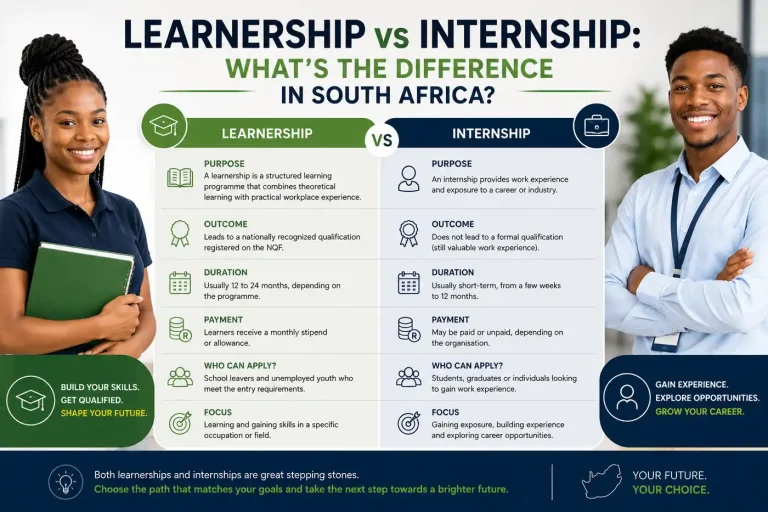

If you are searching for Department of Employment and Labour Internships, you are likely looking for an opportunity to gain practical work experience, develop professional skills, and improve your chances of finding long-term employment. Every year, the Department of Employment and Labour offers internship opportunities to graduates who want to gain exposure within the public sector.
These programmes help participants build workplace experience while learning how government departments operate. In this guide, we will explain everything you need to know about Department of Employment and Labour Internships, including who can apply, how the internship program works, the qualifications required, how to apply successfully, and where to find the latest opportunities.
Many graduates struggle to secure employment because employers often require previous work experience. This is why Department of Employment and Labour Internships continue to attract thousands of applicants across South Africa. These opportunities are designed to help graduates transition from education into the workplace while developing valuable professional skills.
Whether you are looking for your first graduate intern opportunity or exploring internships in South Africa that can strengthen your CV, understanding the application process can help improve your chances of success.
What Are Department of Employment and Labour Internships?
The Department of Employment and Labour Internships programme is designed to provide unemployed graduates with practical workplace experience in various fields. These opportunities are usually offered for a fixed period and allow participants to gain hands-on experience while working alongside experienced professionals.
Many internship program opportunities within the department are aimed at graduates who have completed qualifications but have little or no formal work experience. The goal is to help young professionals develop skills that can improve their future employability.
Department of Employment and Labour Internships 2026 may include placements in areas such as:
- Human Resources
- Administration
- Finance
- Information Technology
- Labour Relations
- Public Management
- Communications
- Supply Chain Management
- Legal Services
- Monitoring and Evaluation
One reason internships remain popular is that they provide practical workplace exposure that employers value. Completing an internship program can make candidates more competitive when applying for future jobs.
For many participants, Department of Employment and Labour Internships serve as an important stepping stone toward permanent employment opportunities in both the public and private sectors.
Who Can Apply for Department of Employment and Labour Internships 2026?
One of the most common questions graduates ask is whether they qualify for these opportunities.
Although requirements can vary depending on the specific position, Department of Employment and Labour Internships 2026 are generally aimed at unemployed South African graduates who have completed recognised qualifications.
Applicants may qualify if they:
- Are South African citizens
- Have completed a diploma or degree
- Are unemployed
- Have not previously participated in a similar government internship
- Meet the qualification requirements listed in the advertisement
Many graduate intern opportunities specifically target recent graduates who need workplace experience before entering the job market.
Fields of study that may be considered include:
- Human Resource Management
- Public Administration
- Accounting
- Information Technology
- Business Management
- Law
- Communications
- Economics
- Supply Chain Management
Graduates searching for internships near me should remember that opportunities may be available at provincial offices, labour centres, and regional department offices throughout South Africa.
Because these Internships attract large numbers of applicants, meeting the minimum requirements does not guarantee selection. Strong applications and complete documentation can help candidates stand out.
How the Internship Program Works
Understanding how the internship program works can help applicants know what to expect if selected.
Most internships are structured to provide:
- Practical workplace training
- Professional mentoring
- Skills development
- Exposure to government operations
- Real-world work experience
Participants are typically assigned supervisors who guide them throughout the programme and help them develop professional competencies.
A graduate intern may be responsible for:
- Administrative duties
- Data capturing
- Research tasks
- Report preparation
- Communication support
- Project assistance
- Document management
The exact responsibilities depend on the department and the position offered.
One major benefit of these Internships is the opportunity to gain practical experience in a professional environment. Many graduates discover that workplace experience helps them understand industry expectations while building confidence.
Participants often leave the internship program with stronger CVs, improved skills, and valuable references that can support future job applications.
How to Apply for Department of Employment and Labour Internships
Knowing how to apply correctly can significantly improve your chances of being shortlisted.
When Department of Employment and Labour Internships are advertised, applicants are usually required to submit:
- An updated CV
- Certified copy of ID
- Certified academic qualifications
- Academic transcripts if requested
- Completed application forms where applicable
Step 1: Read the Advertisement Carefully
Before applying, carefully review all requirements listed in the internship advertisement. Missing information can result in disqualification.
Step 2: Prepare a Professional CV
Your CV should clearly highlight:
- Education
- Skills
- Volunteer experience
- Computer literacy
- Achievements
Even if you have limited work experience, employers still want to see evidence of commitment and responsibility.
Step 3: Gather Supporting Documents
Make sure all required documents are available and properly certified if requested.
Step 4: Submit Before the Closing Date
Late applications are generally not considered.
Step 5: Monitor Communication Channels
Many internship program recruiters communicate through email or cellphone. Ensure your contact details remain active.
Applicants searching for internships near me should also consider applying to opportunities across multiple provinces where they are willing to relocate.
Where to Find Department of Employment and Labour Internships
Finding legitimate opportunities is important because fake job advertisements sometimes appear online. Job seekers interested in Department of Employment and Labour Internships should regularly monitor trusted opportunity websites and official government announcements to avoid scams and stay updated with new opportunities.
JobTree regularly publishes:
- Internship opportunities
- Graduate programmes
- Learnerships
- Government opportunities
- Entry-level positions
You can browse the latest opportunities here:
JobTree frequently shares updates on Department of Employment and Labour Internships and other internships in South Africa to help graduates stay informed.
Applicants can also monitor the official Department of Employment and Labour website for internship advertisements, recruitment notices, and public sector opportunities:
Department of Employment and Labour
You can also explore:
These resources can help applicants discover new internship opportunities, graduate programmes, and government vacancies as they become available.
Tips to Improve Your Chances of Getting Selected
Competition for Department of Employment and Labour Internships can be intense, especially because many graduates are seeking workplace experience.
Here are some practical tips:
Tailor Your CV
Adjust your CV to match the requirements of the internship position.
Apply Early
Submitting applications well before the deadline can reduce stress and prevent technical issues.
Highlight Relevant Skills
Include:
- Computer skills
- Communication skills
- Research abilities
- Teamwork experience
Keep Your Documents Organised
Having documents ready allows you to respond quickly when opportunities open.
Apply Consistently
Many successful candidates apply for multiple internships in South Africa before receiving an offer.
Persistence is often an important part of securing a graduate intern opportunity.
Benefits of Completing an Internship
Completing Department of Employment and Labour Internships can provide benefits that extend beyond the duration of the programme.
Participants may gain:
- Workplace experience
- Professional references
- Industry knowledge
- Networking opportunities
- Improved confidence
- Enhanced employability
Employers often favour candidates who have completed recognised internship program opportunities because they already understand workplace expectations.
For many graduates, internships serve as an important bridge between education and employment.
The practical experience gained during Department of Employment and Labour Internships can make future job applications stronger and more competitive.
Why Internships in South Africa Are Important
The demand for internships in South Africa continues to grow because many employers value practical experience alongside academic qualifications.
Graduates who participate in internship program opportunities often develop workplace skills that cannot always be learned in a classroom environment.
Internships help participants:
- Understand workplace culture
- Improve communication skills
- Build professional networks
- Develop technical skills
- Gain confidence
For young professionals entering the workforce, Department of Employment and Labour Internships can provide valuable exposure to government operations and public service environments.
Final Thoughts on Department of Employment and Labour Internships
Department of Employment and Labour Internships continue to provide valuable opportunities for South African graduates who want to gain workplace experience and develop professional skills. These programmes help bridge the gap between education and employment while giving participants practical exposure within government environments.
Whether you are searching for a graduate intern opportunity, internships near me, or other internships in South Africa, understanding the application process and preparing early can improve your chances of success. Strong applications, complete documentation, and consistent monitoring of new opportunities can make a significant difference.
As Department of Employment and Labour Internships 2026 opportunities become available, make sure you regularly check trusted sources such as JobTree for updates, application announcements, and internship opportunities that match your qualifications and career goals.
What is the UIF internship 2026?
The UIF internship 2026 generally refers to internship opportunities offered through the Unemployment Insurance Fund (UIF), which operates under the Department of Employment and Labour. These programmes are designed to provide unemployed graduates with practical workplace experience, professional skills development, and exposure to public sector operations. Most UIF-related internship opportunities are aimed at graduates who have completed qualifications in fields such as administration, finance, human resources, information technology, law, and public management.
The Department of Employment and Labour also regularly advertises graduate internship programmes that provide work exposure for up to 24 months to unemployed South African graduates who have not previously participated in a government internship programme. Successful applicants gain valuable workplace experience that can strengthen their CVs and improve future employment prospects. Students and graduates interested in UIF internship opportunities should monitor the Department of Employment and Labour and UIF vacancy announcements for the latest openings.
How do I get a Department of Labour learnership?
To get a Department of Labour learnership in South Africa, you should first register as a work-seeker through the Employment Services of South Africa (ESSA) platform or at your nearest Labour Centre. The Department of Employment and Labour recommends that unemployed individuals register so employers and training providers can match them with available learnership opportunities. You should also prepare an updated CV, certified copy of your ID, matric certificate, and any additional qualifications that may be required.
Many Department of Labour learnership opportunities are linked to SETAs, skills development programmes, and Labour Activation Programme initiatives. To improve your chances, regularly check the Department of Employment and Labour website, monitor learnership advertisements, and apply as soon as opportunities open. Some programmes may also require applicants to meet age, education, or unemployment requirements before they can be considered for a learnership placement.
How much do Government interns get paid in South Africa?
Government interns in South Africa usually receive a monthly stipend rather than a full salary, with the amount depending on the department, qualification level, and internship programme. Many national and provincial government internship programmes currently offer stipends ranging from around R7,000 to R8,000 per month for graduates with diplomas, degrees, or honours qualifications. Some specialised programmes may offer higher stipends, especially for master’s graduates or internships in technical fields.
Examples of recent government internship stipends include approximately R7,450 per month for graduate internship programmes and around R7,860 per month for many public sector internships offered by departments and government entities. Certain programmes, such as SETA or municipal internships, may offer stipends above R10,000 per month depending on the role and qualification requirements. Graduates interested in government internships should always check the official advertisement because stipend amounts can differ between programmes.
Helpful Job Application Guides