Can You Really Get a Job Through Facebook?
Quick Answer
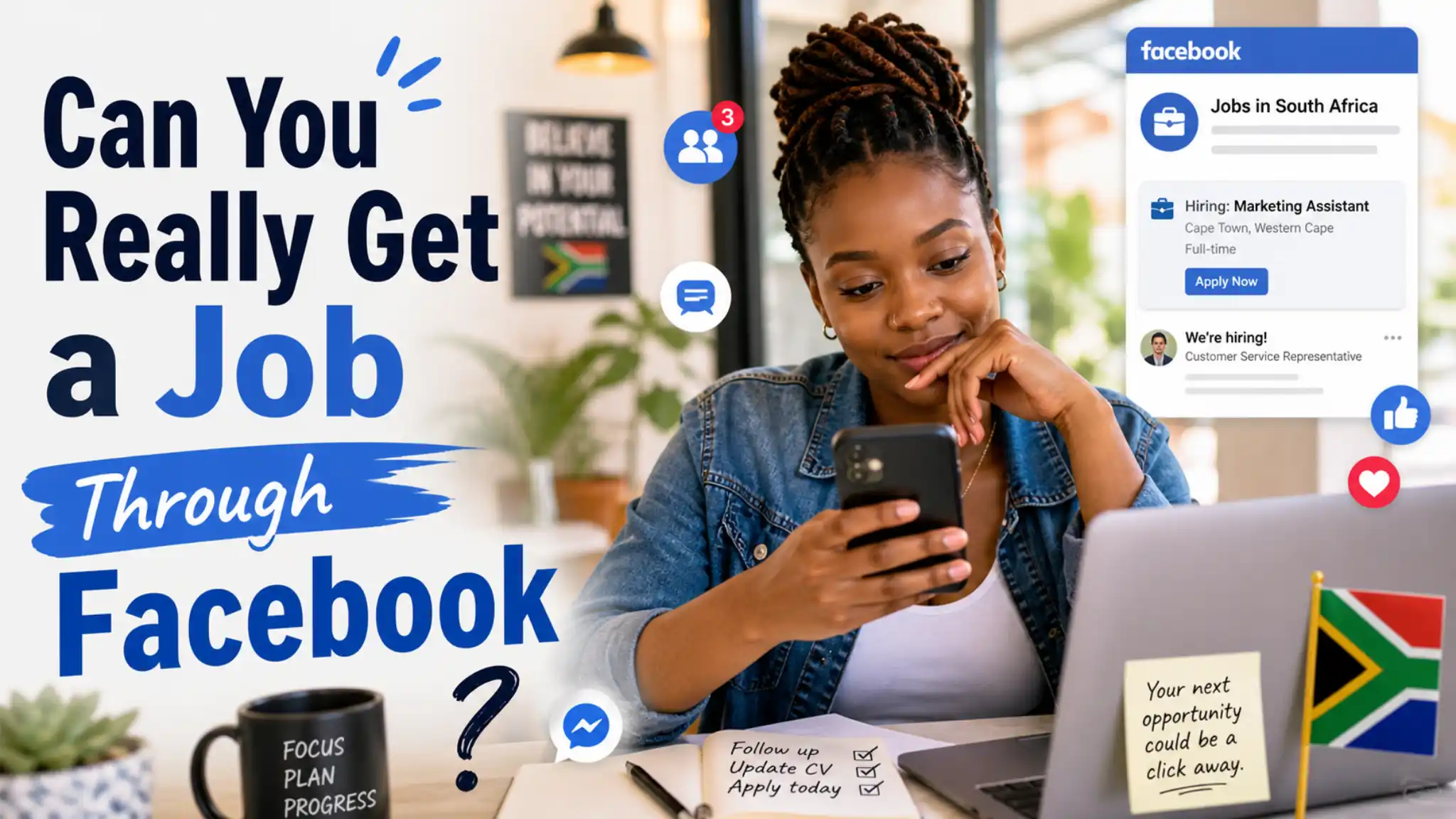
Yes, you can get a job through Facebook, but you need to use it carefully and professionally. Facebook job groups, company pages, community posts, and shared vacancies can help you find real opportunities, especially in South Africa where many local employers post openings online. The safest approach is to verify every job post, avoid paying application fees, protect your personal information, and use Facebook together with trusted job platforms like JobTree.
Table of Contents
- Understanding the Facebook Job Search Reality
- Why People Use Facebook to Find Work
- How to Apply Safely Through Facebook
- How to Spot Real Opportunities
- Mistakes to Avoid When Using Facebook for Jobs
- Smart Final Advice for Facebook Job Seekers
- Frequently Asked Questions
Understanding the Facebook Job Search Reality
Many people ask whether Facebook can really help them find work because the platform is no longer used only for social updates. Today, job seekers use groups, pages, comments, Messenger, and shared posts to discover opportunities that may not always appear on formal job websites. This makes Facebook useful, but only when you know how to search carefully and avoid risky posts.
The phrase Can You Really Get a Job Through Facebook? matters because many South Africans see job posts on Facebook every day but do not know which ones are safe. Some posts come from real employers, small businesses, recruiters, and community members trying to help. Others may be copied, outdated, incomplete, or posted by people who want to mislead desperate job seekers.
Facebook can work well when it is treated as one part of a wider job search strategy. It should not replace trusted job websites, a professional CV, proper interview preparation, or direct applications on company websites. Instead, it can help you discover opportunities faster and connect with people who may know about openings in your area.
Many job seekers prefer Facebook because it feels simple and immediate compared to long application portals. A vacancy can appear in a local group, be shared by someone you know, or be posted by a business that needs workers urgently. This speed is helpful, but it also means you must check details before sending your information.
The best results usually come from people who use Facebook with a clear plan. They join relevant groups, follow real company pages, prepare a proper CV, and respond professionally when opportunities appear. This gives them a better chance of finding real leads without wasting time on weak or unsafe posts.
Why People Use Facebook to Find Work
Facebook is popular for job searching because many communities already use it to share local information. People post about vacancies, learnerships, internships, part-time work, retail openings, cleaning roles, admin roles, security opportunities, and entry-level jobs. For many job seekers, especially those who use mobile data carefully, Facebook feels like an easy place to start.
Small businesses often post on Facebook before they use formal recruitment platforms because it is quick and free. A shop owner, salon, restaurant, contractor, or local office may need someone urgently and choose to post in a community group. This creates opportunities that job seekers might miss if they only search on large job boards.
The seed keyword can you get a job through Facebook is common because people want a direct answer before spending time in groups. The answer is yes, but not every post deserves your trust or your personal information. You need to learn how to identify serious employers and ignore posts that look suspicious.
Another reason people use Facebook is that friends and family can tag them in posts. This makes job searching more social because people in your network can help you notice opportunities. A simple tag from someone who knows your situation can lead to a real application if the post is genuine.
Facebook also gives job seekers a chance to see how companies present themselves online. A real business may have an active page, reviews, photos, contact details, and a history of posts. These clues can help you decide whether the opportunity is worth pursuing.
How to Apply Safely Through Facebook
Applying safely is the most important part of using Facebook for job hunting. Before sending your CV, check whether the post includes a company name, job title, location, duties, requirements, and a proper contact method. A real vacancy usually gives enough information for you to understand what you are applying for.
You should be careful with posts that ask for money before you can apply. Real employers should not charge you an application fee, registration fee, placement fee, uniform fee, medical fee, or training fee before offering a legitimate job. If a post asks for payment upfront, treat it as a major warning sign.
The seed keyword how to find jobs on Facebook South Africa is useful because safe searching depends on where you look. Join groups that are well moderated, active, and focused on your city or industry. Avoid groups filled with spam, repeated posts, unrealistic promises, and comments asking people to send private messages without clear details.
When you respond to a job post, write professionally instead of using casual comments like “interested” only. A better response is to ask for the official application email, company name, and closing date if those details are missing. This shows that you are serious and helps you collect the information needed to apply properly.
Protecting your personal information is also important when applying through Facebook. Your CV can include your name, contact number, email address, city, education, and work history, but you should avoid sending copies of your ID to strangers too early. Only share sensitive documents when you are confident the employer is real and the recruitment process is legitimate.
How to Spot Real Opportunities
Real job opportunities usually provide clear details that make sense. The post should explain the role, location, basic duties, working hours, requirements, and how to apply. If everything is vague and the poster refuses to give proper information, it may not be worth your time.
A genuine employer will usually have a consistent online presence. You can check the business page, search the company name, look for a website, review past posts, and see whether the contact details match. These checks are not difficult, but they can protect you from many fake opportunities.
Be careful with posts that promise very high salaries for very little work, especially when no experience is required. While entry-level opportunities exist, unrealistic promises are often used to attract desperate applicants. If the salary seems too good for the duties described, investigate before applying.
Comments can also give clues about whether a post is useful. If many people are asking for basic details and the poster avoids answering, that is not a good sign. If people report the post as fake or mention that they were asked for money, avoid it immediately.
It is also helpful to compare Facebook posts with listings on trusted job platforms. If a company is hiring, the role may also appear on its official website or on a reliable job board. You can use Facebook as the discovery point, then apply through a safer official channel where possible.
Mistakes to Avoid When Using Facebook for Jobs
One common mistake is applying to every post without checking whether it matches your skills or location. This wastes time and can make your job search feel more frustrating than it needs to be. Focus on roles that match your experience, availability, and realistic travel options.
Another mistake is using an unprofessional Facebook profile while trying to contact employers. If your profile is public and contains inappropriate posts, arguments, or confusing information, it may create a poor impression. You do not need a perfect profile, but it should look respectful if employers view it.
Many job seekers also make the mistake of commenting only “interested” on every vacancy. This rarely makes you stand out because hundreds of other people may do the same thing. Instead, follow the application instructions properly and send a professional message or email where required.
Some people send personal documents too quickly because they feel pressured to act fast. You should never rush into sending ID copies, banking details, or confidential information to someone who has not been verified. A real employer will follow a proper process and should not threaten you for asking reasonable questions.
Another mistake is relying only on Facebook and ignoring other job search channels. Facebook can help, but it should work together with job boards, company career pages, recruitment agencies, networking, and skills development. A wider strategy gives you more chances and reduces dependence on one platform.
Smart Final Advice for Facebook Job Seekers
Can You Really Get a Job Through Facebook? Yes, but the smartest job seekers use the platform with patience, caution, and a clear plan. They do not trust every post automatically, and they do not share personal information without checking the opportunity first.
Facebook can be especially useful for local roles, urgent hiring, small business vacancies, and opportunities shared through community networks. It can also help you discover companies and recruiters that are active in your area. The key is to separate useful leads from risky posts before applying.
A strong CV will still matter even if the job lead comes from Facebook. Employers want to see that you can present your skills clearly and professionally. Make sure your CV is updated before you start responding to posts.
You should also keep records of the jobs you apply for through Facebook. Write down the company name, contact person, date applied, role title, and where you saw the post. This helps you follow up and avoid confusion if several people contact you later.
The best approach is to use Facebook as a helpful tool, not as your entire job search. Combine it with trusted platforms, safe application habits, and regular improvement of your skills. When used wisely, Facebook can help you find real opportunities while protecting you from unnecessary risks.
Frequently Asked Questions
Can you really get a job through Facebook?
Yes, it is possible to get a job through Facebook when you use the platform carefully. Many employers, recruiters, and small businesses share vacancies in groups and on company pages. However, you should always verify the post, company, and application method before sending personal information.
How do I know if a Facebook job post is real?
A real job post usually includes a company name, job title, location, duties, requirements, and proper application instructions. You should search the company online, check its Facebook page history, and compare the contact details with official sources. Avoid posts that ask for money, make unrealistic promises, or refuse to provide basic information.
What should I avoid when applying for jobs on Facebook?
Avoid paying application fees, sending sensitive documents too early, or trusting posts that only say “inbox me” without clear job details. You should also avoid commenting casually on every post without following the actual application instructions. Treat every opportunity professionally and protect your personal information.
What is the safest way to use Facebook for job searching?
The safest way is to join trusted groups, follow real company pages, verify each post, and apply through official emails or websites whenever possible. Keep your CV ready, use a professional message, and track every application you send. Facebook should be used together with reliable job platforms like JobTree so your search is broader and safer.
Browse more career opportunities and guidance on JobTree.
Read more job search advice here: How Long It Really Takes to Get a Job in South Africa.