
Safe Ways to Apply for Jobs Online
Quick Answer
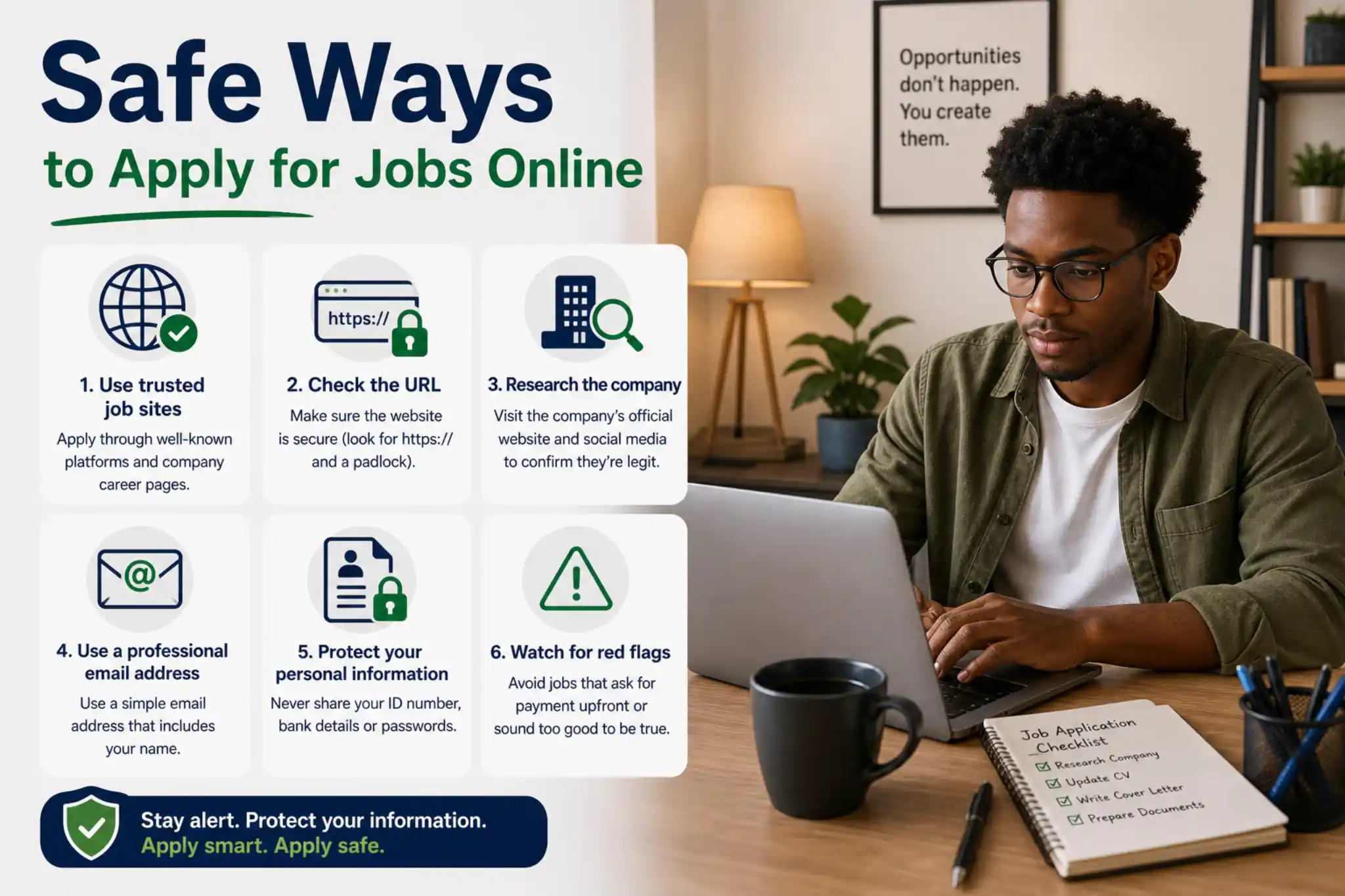
Learning safe ways to apply for jobs online can help protect you from scams, fake recruiters, and identity theft while searching for work. Safe online job searching usually involves verifying employers, avoiding suspicious payment requests, protecting personal information, and using trusted job websites carefully. The best approach is to stay cautious, research opportunities properly, and search through trusted platforms like JobTree.
Table of Contents
- Why Online Job Safety Matters
- How to Use Safe Job Websites
- How to Protect Your Personal Information
- How to Avoid Online Job Scams
- Safe Communication With Recruiters
- Final Advice for Safer Job Searching
- Frequently Asked Questions
Why Online Job Safety Matters
Safe Ways to Apply for Jobs Online is an important topic because more job seekers now apply for work through websites, email, social media, and messaging apps. Online applications are faster and more convenient, but they also create opportunities for scams and fake recruiters. Understanding online safety can help protect both your information and your finances.
Many fake job scams target people who urgently need work because scammers know job seekers may feel emotional pressure. Some fake adverts ask for money, while others try to collect personal details such as ID numbers, banking information, or passwords. Careful job searching reduces the risk of becoming a victim.
The seed keyword how to avoid online job scams matters because scammers are becoming more professional in how they present fake opportunities. Some use real company logos, copied vacancy descriptions, and convincing communication styles. This makes it important to verify opportunities carefully instead of trusting appearances immediately.
Online safety is also important because identity theft can create long-term problems beyond the job search itself. Sharing sensitive information with the wrong people can affect your finances, accounts, and personal security. Small safety habits can prevent major problems later.
Being careful does not mean becoming afraid of applying for jobs online completely. Many legitimate employers recruit online every day through trusted platforms and official company websites. The goal is to combine opportunity with caution and smart decision-making.
How to Use Safe Job Websites
One of the safest ways to apply for jobs online is by using trusted job platforms and official company websites. Established platforms usually have moderation systems, reporting tools, and verification processes that help reduce fake listings. While no website is perfect, trusted platforms are generally safer than random social media posts.
The seed keyword safe websites to apply for jobs is important because many fake vacancies appear on unverified pages or messaging groups. Before applying, check whether the website looks professional and contains clear company information, contact details, and privacy policies. Poor website quality may sometimes be a warning sign.
You should also verify whether vacancies appear on official company career pages. If a job is advertised on social media but not on the employer’s official website, research the opportunity carefully before applying. Legitimate businesses often publish vacancies through their official channels.
Another good habit is avoiding suspicious links sent through unknown messages. Some scammers create fake websites designed to steal login details or personal information from applicants. Typing official website addresses directly into your browser is usually safer than clicking random links.
It is also important to read job descriptions carefully before applying. Real vacancies usually include responsibilities, requirements, company details, and proper application instructions. Extremely vague adverts with unrealistic promises should be approached cautiously.
How to Protect Your Personal Information
Protecting personal information is one of the most important parts of safe online job searching. Your CV should include relevant professional information such as your name, contact number, email address, education, and experience. However, you should avoid sharing unnecessary sensitive information too early.
Some fake recruiters ask for ID copies, banking details, proof of address, or passwords before any real recruitment process begins. Legitimate employers usually only request sensitive documents later during official hiring stages. Questioning unusual requests helps protect your identity.
You should also use strong passwords for email accounts and job websites because your email often contains important personal information. Weak passwords can make it easier for scammers to access your accounts. Secure online habits improve overall job search safety.
Another useful step is creating a professional email address specifically for job searching. This helps separate your applications from personal communication and makes suspicious activity easier to notice. Professional email accounts also improve your image with employers.
The seed keyword how to avoid online job scams also includes being careful about what you post publicly online. Oversharing personal information on social media may make you more vulnerable to scams or identity theft. Privacy settings and cautious online behaviour can reduce unnecessary risks.
How to Avoid Online Job Scams
Fake job scams often follow similar patterns that job seekers can learn to recognise. One major warning sign is any opportunity that asks for payment before employment begins. Requests for registration fees, application fees, training fees, or placement fees should immediately make you cautious.
Another warning sign is unrealistic promises such as extremely high salaries for very little work. Scammers often use emotional excitement and urgency to stop people from thinking carefully. If an opportunity sounds too good to be true, it deserves extra investigation.
You should also be cautious when communication feels rushed or secretive. Fake recruiters may pressure applicants to act immediately or avoid answering basic questions about the company. Legitimate employers usually communicate more clearly and professionally.
Some scams use WhatsApp, Facebook, Telegram, or SMS messages to contact applicants without proper verification. While some real employers may use these platforms for communication, opportunities should still include official company details and verifiable information. Trust should come from confirmed facts rather than messaging style alone.
Researching the employer carefully before attending interviews or sending sensitive documents can help you avoid many scams. Search the company online, compare contact details, and look for official websites or professional profiles. Verification is one of the strongest forms of protection.
Safe Communication With Recruiters
Professional communication is an important part of safe online job searching because it helps you judge whether recruiters appear legitimate. Real employers usually explain the role clearly, answer reasonable questions, and provide professional contact details. Transparency is often a positive sign.
Check whether recruiter email addresses match official company domains instead of random personal accounts. While smaller businesses sometimes use free email services, verification becomes even more important in those situations. Consistency between names, websites, and contact details helps build trust.
You should also be careful when recruiters avoid phone calls, refuse to provide company details, or communicate only through text messages. Professional employers usually have no problem identifying themselves properly. Lack of transparency should encourage caution.
Another good habit is keeping records of the jobs you apply for and the people who contact you. Tracking applications helps you identify suspicious behaviour or repeated scams later. Organisation improves both safety and professionalism during your job search.
If something feels suspicious, trust your instincts and research further before continuing. Many scams rely on emotional pressure, urgency, or confusion to prevent people from thinking carefully. Slowing down and verifying details protects you from unnecessary risks.
Smart Online Habits Can Protect Your Future
Safe Ways to Apply for Jobs Online is about protecting yourself while still staying open to opportunities. The internet has made job searching more accessible than ever before, but it has also created more opportunities for scammers to target vulnerable job seekers. Safe habits help reduce those risks significantly.
You do not need to fear every online vacancy, but you should always verify important details before sharing sensitive information or making decisions. Real employers usually communicate professionally, provide clear information, and allow applicants to confirm details independently. Transparency is a good sign during recruitment.
Careful job searching also protects your confidence and emotional wellbeing. Falling victim to fake opportunities can create frustration, financial stress, and discouragement during an already difficult job search. Prevention is usually easier than dealing with the consequences later.
The safest job seekers are usually the ones who combine persistence with caution. They continue applying for opportunities while still researching employers, protecting personal information, and asking professional questions. Balanced thinking creates a safer and smarter job search strategy.
Keep improving your online safety habits, using trusted job platforms, and verifying opportunities carefully while searching for work. A careful and informed approach can help protect your future while still allowing you to pursue real career opportunities confidently.
Frequently Asked Questions
How can I apply for jobs online safely?
You can apply for jobs online safely by using trusted job platforms, verifying employers, protecting personal information, and avoiding suspicious payment requests. Always research companies carefully before sharing sensitive details. Safe habits reduce the risk of scams and identity theft.
What are common signs of online job scams?
Common warning signs include requests for money, unrealistic salaries, vague job descriptions, rushed communication, and suspicious contact details. Fake recruiters may also avoid providing proper company information or pressure applicants into immediate decisions. Careful verification helps identify these risks.
Should I send my banking details when applying for jobs?
You should avoid sharing banking details during the early application stage unless the employer has already been verified and official hiring steps are underway. Legitimate employers usually do not require sensitive financial information before employment is confirmed. Always question unusual requests carefully.
How can I verify if an online job offer is real?
You can verify an online job offer by researching the company, checking official websites, confirming recruiter details, and comparing contact information across trusted sources. Legitimate employers usually communicate professionally and allow applicants to verify important details independently. Taking time to research opportunities improves safety significantly.
Browse more online job search tips on JobTree.
Read this related guide: How to Verify a Job Before Applying.